



Actualités locales. Voix locales. Vermont.
ParPERSONNEL
Richford : La ville au bout de la route – Ou peut-être le début
Partagez votre amour
RICHFORD, Vt. — There is something wonderfully stubborn about Richford.
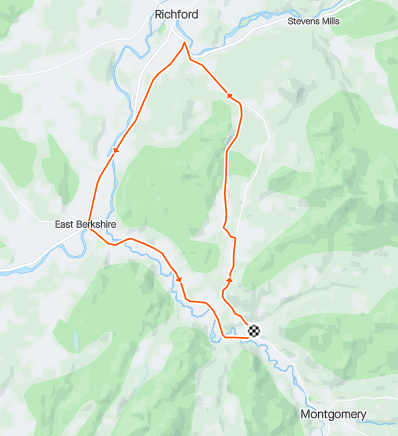
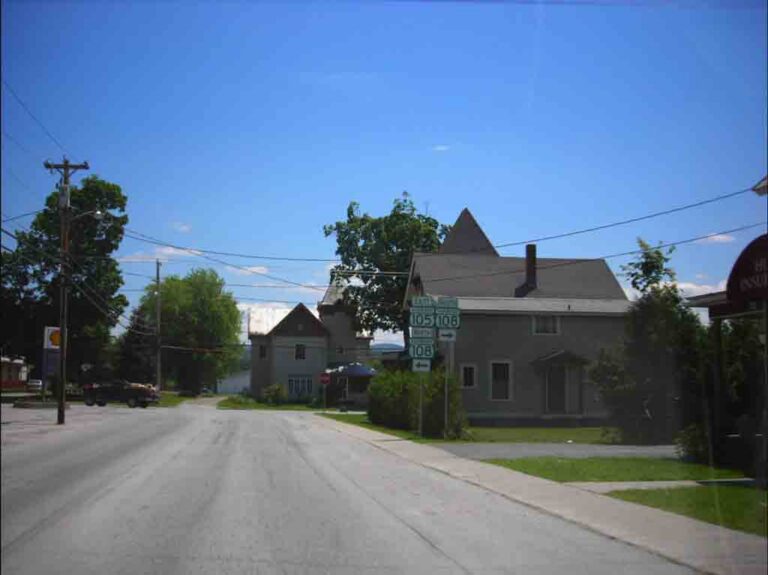
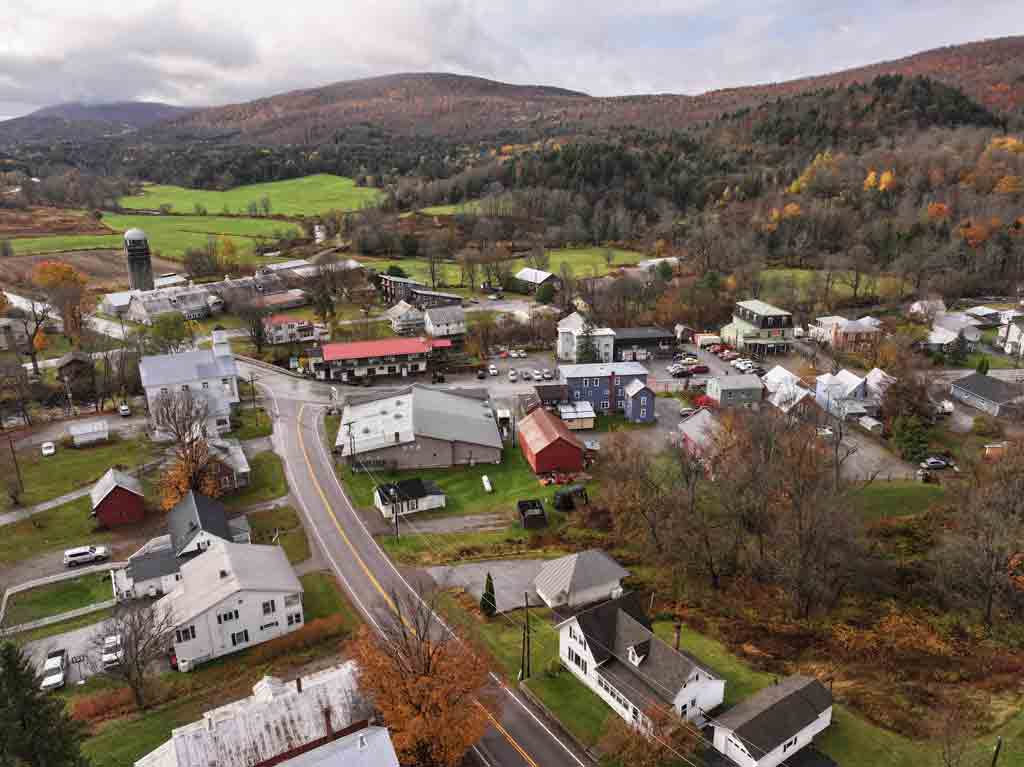
Drive Route 105 far enough north and east and eventually you arrive at a town pressed against Canada, wrapped in mountains and divided by the Missisquoi River. It can feel like Vermont’s last outpost — a place the 21st century hasn’t quite figured out what to do with.
But Richford has been here before.
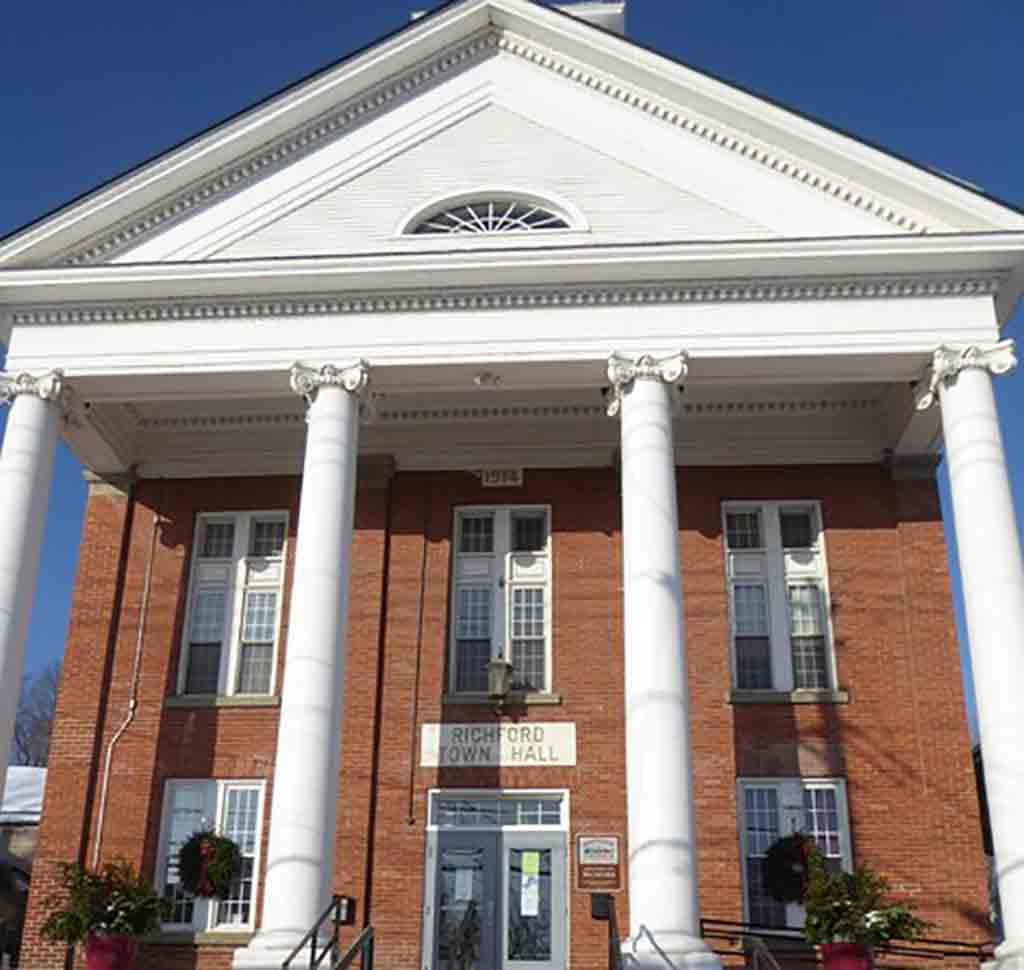
This was once a serious little industrial town. Water powered the mills. Railroads connected Richford with markets far beyond Franklin County. Lumber, furniture and commerce generated enough money that businessmen built the handsome brick blocks and substantial houses that still haunt the village like evidence from a better party. By the mid-1800s, two railroad lines had helped turn Richford into a regional trading center.
Then history changed the rules.
The mills faded. The railroad disappeared. Businesses closed. Storefronts emptied. Young people discovered Burlington, Boston and everywhere else. Richford became one of those towns politicians periodically promise to “revitalize,” usually shortly before driving away.
And yet Richford refuses to die.
That may be its greatest economic asset.
The town’s newly adopted 2026-34 plan openly acknowledges struggling retail, insufficient commercial traffic and empty storefronts. But it also identifies something outsiders might miss: Richford sits amid an extraordinary collection of recreational assets — the Missisquoi River, Missisquoi Valley Rail Trail, Northern Forest Canoe Trail, Long Trail, mountains, snowmobile country and nearby Jay Peak.
And then there is Canada.
For generations, the border has alternately been Richford’s economic advantage and its headache. Now the federal government is modernizing the Richford port of entry, with construction scheduled to begin this fall and substantial completion expected in 2028.
That doesn’t guarantee prosperity. Nothing does.
But imagine Richford quitting the depressing business of trying to become what it was and concentrating instead on what it could be.
Cheap commercial buildings. Affordable houses. Remote workers. Small manufacturers. Outdoor recreation. Cyclists. Snowmobilers. Canadian visitors. Restaurants. Coffee. A proper downtown pub. Artists and craftsmen who cannot afford Stowe and don’t particularly want to.
Richford doesn’t need another committee producing another glossy brochure explaining that Richford needs saving.
It needs people willing to buy the empty building, open the door, turn on the lights and take a chance.
Because underneath the peeling paint and economic bruises remains something increasingly valuable in Vermont:
A real town.
Not manufactured quaintness. Not a resort masquerading as a village.
Richford.
Beat up, beautiful, stubborn as hell — and perhaps not finished yet.