





Actualités locales. Voix locales. Vermont.
ParPERSONNEL
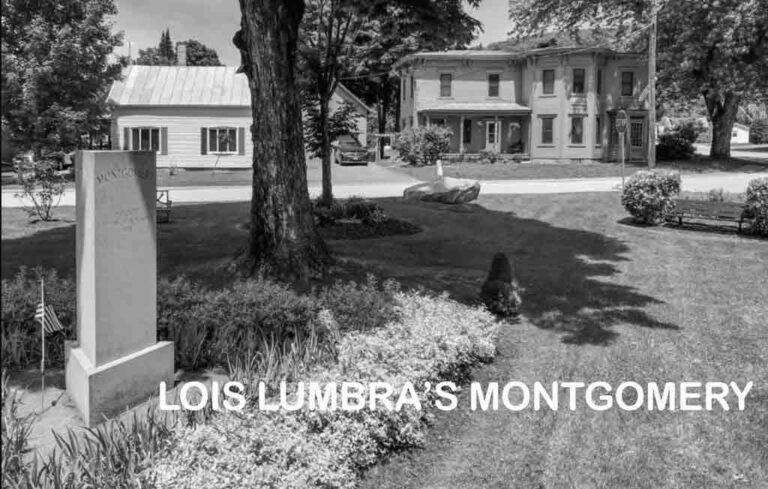
Montgomery, and the Virtue of Endurance
Partagez votre amour
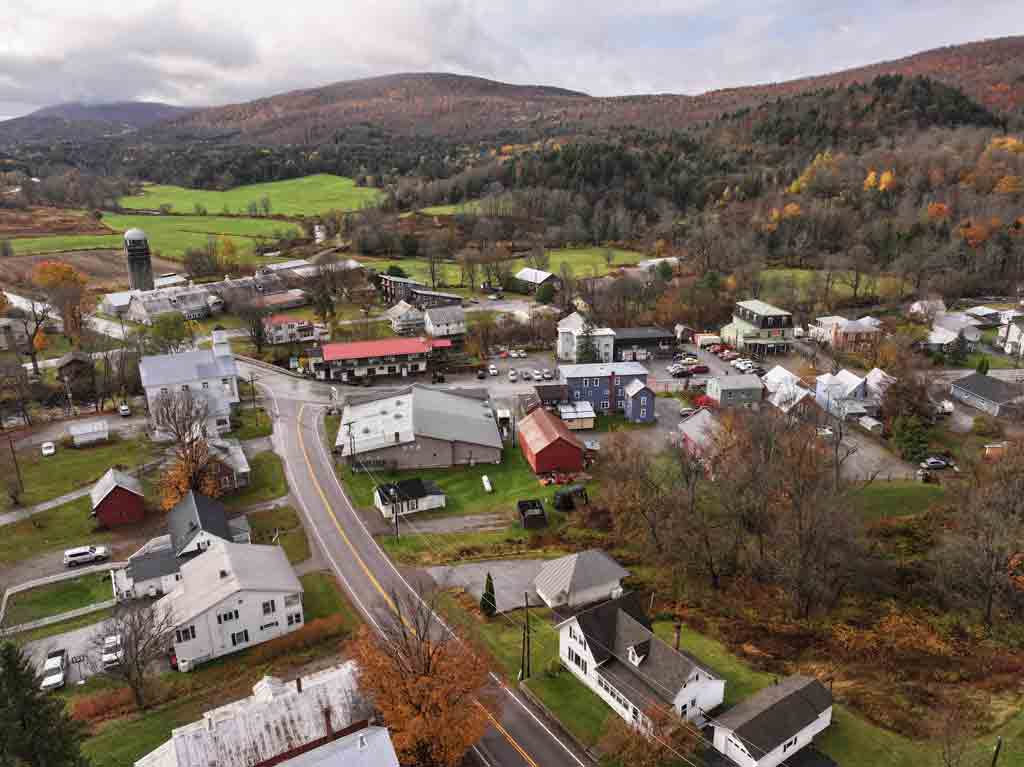
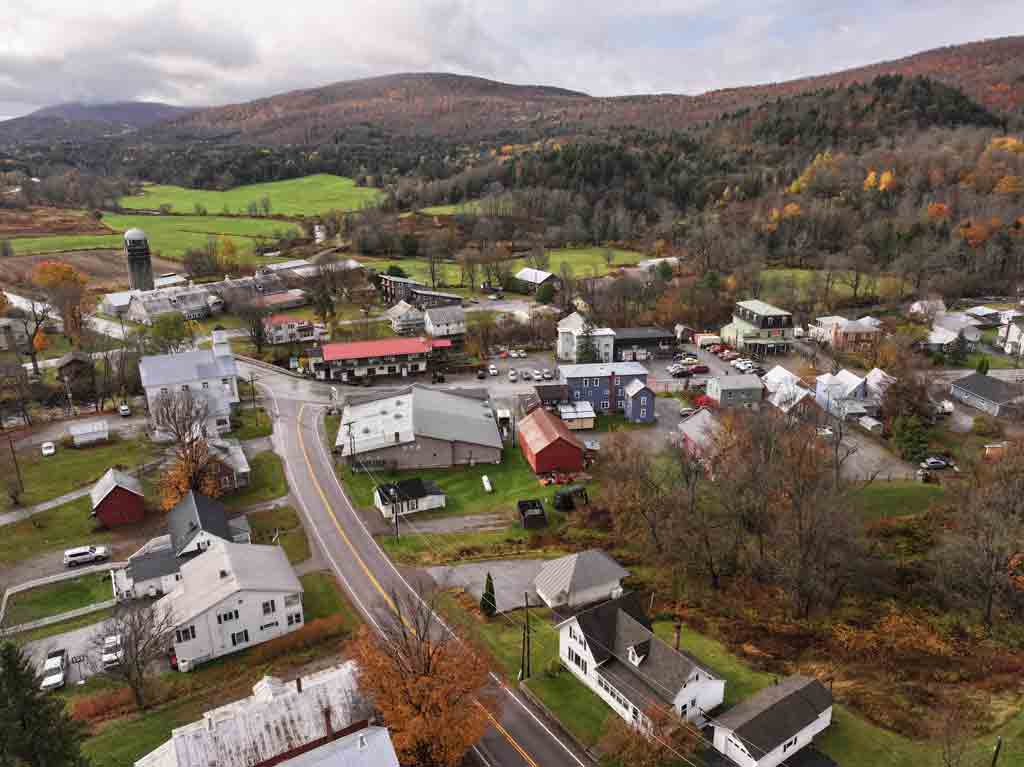
There are places that endure not because they adapt quickly, but because they adapt deliberately. Montgomery is such a place.
Set along a northern road that once carried more commerce than commentary, Montgomery has never mistaken noise for progress. It survives by something more old-fashioned: restraint, memory, and an understanding of limits. In an age intoxicated by scale, Montgomery remains small by choice and, more importantly, by habit.
The town has known decline, but it has never embraced despair. It has watched mills close, traffic thin, and outside capital lose interest. It has seen borders grow quieter and seasons grow less predictable. Yet it persists—not as a relic, but as a functioning community that still understands what communities are for.
Montgomery’s economy has always been modest and local. It was built on work that could not be outsourced easily: farming, forestry, trades, and service to neighbors rather than markets. When larger employers disappeared elsewhere in Franklin County, Montgomery had little left to lose—and therefore more to keep. What it retained was social capital: people who show up, institutions that remember, and a tolerance for inconvenience in exchange for independence.
This is not romanticism. Survival here requires discipline. Houses are repaired, not replaced. Businesses open cautiously and close quietly. People hold two jobs without calling it a hustle. Town meeting is not theater; it is governance. Decisions are made with an eye toward permanence, not applause.
Montgomery’s greatest asset may be its skepticism. It has resisted the seductive promise of quick fixes—tourism schemes that hollow out towns, development that prices out residents, and policies written far from the riverbanks they affect. Instead, it relies on continuity: the general store that knows its customers, the volunteer fire department that knows its roads, the neighbors who know each other’s winters.
In national discourse, rural survival is often framed as grievance. Montgomery offers a different lesson. It survives not by demanding attention, but by declining dependency. It accepts that prosperity will come slowly, unevenly, and sometimes not at all—but that dignity is non-negotiable.
The town does not pretend to be immune to economic forces. It simply refuses to be defined by them. When outside money retreats, Montgomery leans inward. When systems fail, it substitutes relationships. When trends pass through, it waits them out.
In a culture obsessed with reinvention, Montgomery practices conservation—of land, of norms, of expectations. That, too, is a form of progress, though it rarely makes headlines.
Survival, after all, is not an accident. It is a philosophy.