


Newsletter Subscribe
Enter your email address below and subscribe to our newsletter
Local News. Local Voices. Vermont.
 BySTAFF
Northern Vermont feels the silence where Canadians used to be
The border didn’t slam shut. It just went quiet.
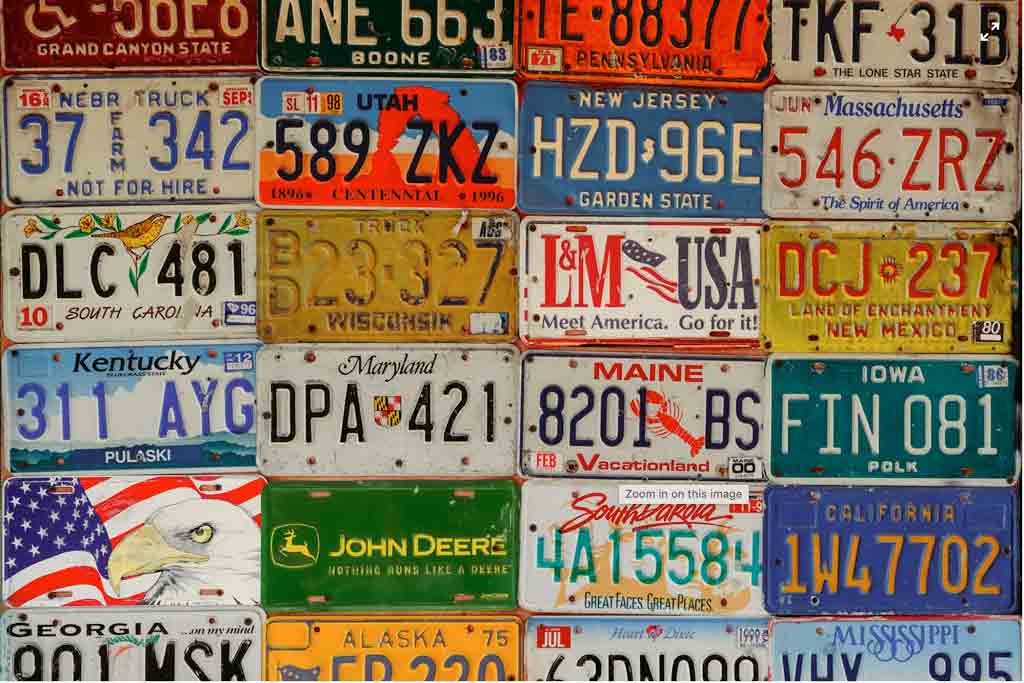
In northern Vermont, you notice it first in the parking lots. The ski towns, the general stores, the roadside diners that once read license plates the way old ballplayers read box scores. Quebec. Ontario. Quebec again. Then one day—Vermont, Vermont, Vermont. Same trucks. Same folks. Same money circulating like a tired dollar bill.
For decades, Canadian tourists weren’t visitors here. They were part of the rhythm. They came down Route 105 and Route 118 the way the weather comes—predictable, necessary, and never questioned. Ski weekends. Summer hikes. Leaf season. Christmas shopping. Gas, groceries, rooms, meals, tips. A quiet economic treaty that didn’t need signatures.
Now they’re gone, or mostly gone, and nobody needed a memo to know something was wrong.
Ask the motel owner who used to book solid from December through March. Ask the waitress who could tell the exchange rate by how many loonies hit the counter. Ask the shopkeeper who stocked shelves knowing half the customers would pronounce “about” a little differently.
It isn’t just tourism money that vanished. It’s confidence.
When Canadians stopped coming, northern Vermont didn’t lose outsiders—it lost its overflow. The extra cash that made slow weeks survivable. The cushion that let a business breathe. Without it, every local dollar has to work harder, longer, smarter. And dollars get tired, just like people.
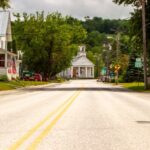
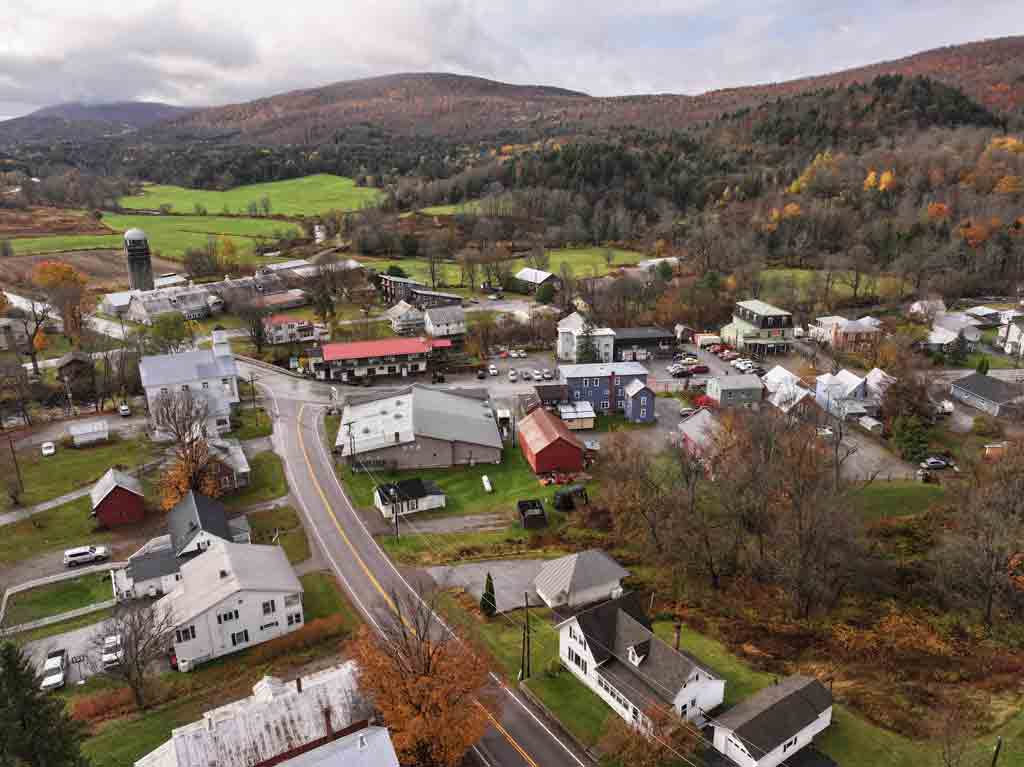
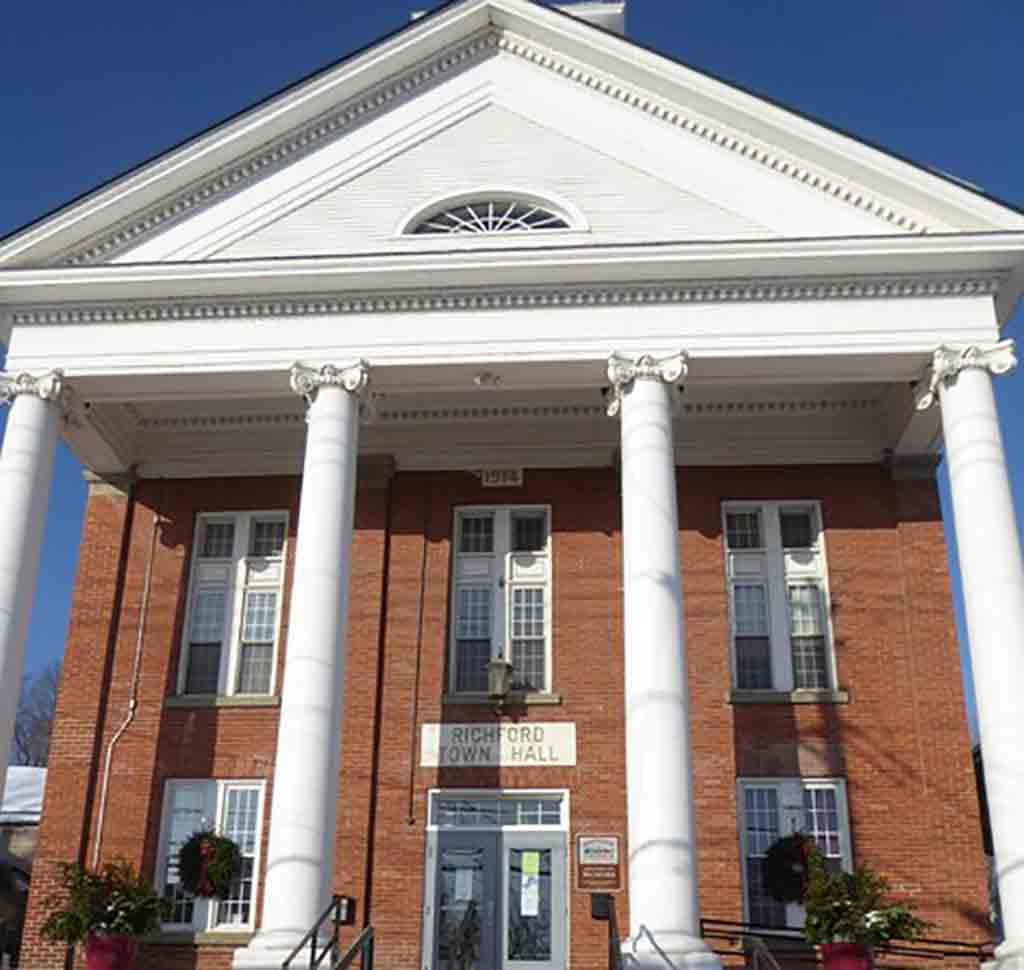
Small towns feel losses differently than cities. In a city, a missing crowd disappears into noise. In a place like Montgomery, Richford, Enosburg, Jay—it echoes. Empty rooms. Shorter hours. “Help Wanted” signs that stay up because the math doesn’t work anymore.
There’s a myth that rural places are self-contained. They aren’t. They’re interconnected, delicate systems held together by habit and trust. Canadian tourism wasn’t a bonus—it was structural. It paid for repairs, payroll, property taxes. It kept businesses open year-round instead of seasonally hanging on.
And here’s the part nobody likes to say out loud: when Canadians stopped coming, it reminded northern Vermont how exposed it really is. One border policy. One political chill. One shift in sentiment—and the whole region feels it in its ribs.
The mountains are still there. The snow still falls. The rivers still run. But the chairs at the tables are empty, and everyone knows who used to sit there.
Northern Vermont doesn’t need pity. It needs traffic—real, human, cross-border traffic. It needs the old rhythm back, or a new one just as steady. Because towns like these were never built to stand alone.
They were built to welcome people who came, stayed awhile, spent a little money, and came back again.
And when they stopped coming back, the silence told the story before anyone ever wrote it down.